


Power down.
Switch off and unplug powered equipment when its manual directs you to do so before cleaning or removing parts.
A thoughtful kitchen doesn't end with choosing the right tools. Learn how to clean, maintain and store the appliances, cookware and essentials you use every day—without relying on one-size-fits-all shortcuts.

Four practical habits apply across much of the kitchen. The exact cleaning products, components and methods still depend on the item's manual.
Switch off and unplug powered equipment when its manual directs you to do so before cleaning or removing parts.
Allow hot cookware, baskets, plates and oven surfaces to cool safely before handling and cleaning.
Choose methods safe for the material, nonstick finish, electronic housing and food-contact surfaces.
Dry components as directed; reassemble correctly and store in a clean, stable, suitable location.
A useful routine separates what belongs after normal use from occasional checks and tasks the manufacturer schedules. Select a stage to explore what to look for.
These are care prompts, not universal service intervals or product-specific instructions.
Once the item is safe to handle, attend to any food residue, moisture or removable components in the manner specified for that product.
Look for conditions that may affect cleanliness or safe operation. Avoid attempting electrical repairs yourself.
Maintenance intervals and cleaning products vary with model, water hardness, usage and materials. Use the manufacturer's published instructions.

Appliances that heat food need attention to hot surfaces, removable components and the areas around vents. Cleaning should always follow the individual model's directions.
A clean cooking area begins with a safe shutdown.
Let the basket cool. Clean its removable parts using approved materials; avoid damaging nonstick coatings or obstructing airflow.
Disconnect and cool as directed. Remove crumbs using the designated tray or process; never reach into a powered unit.
Care for removable vessels, lids and seals according to the manual. Never force open a pressurized cooker.
Allow plates to cool; clean approved removable pieces without scratching coated surfaces or wetting powered parts.
Blades, drive systems and mixing attachments make preparation easier, but cleaning should never expose hands to moving components or powered mechanisms.
Switch off, disconnect as required, then separate what the manual allows.
Check jar, lid and seal cleaning directions. Keep the motor base dry and handle any blade assembly with care.
Remove beaters or hooks only after the unit stops and is safely disconnected. Wash attachments as specified.
Handle exposed blades by safe gripping points, never by cutting edges; clean feed tubes and bowls as instructed.
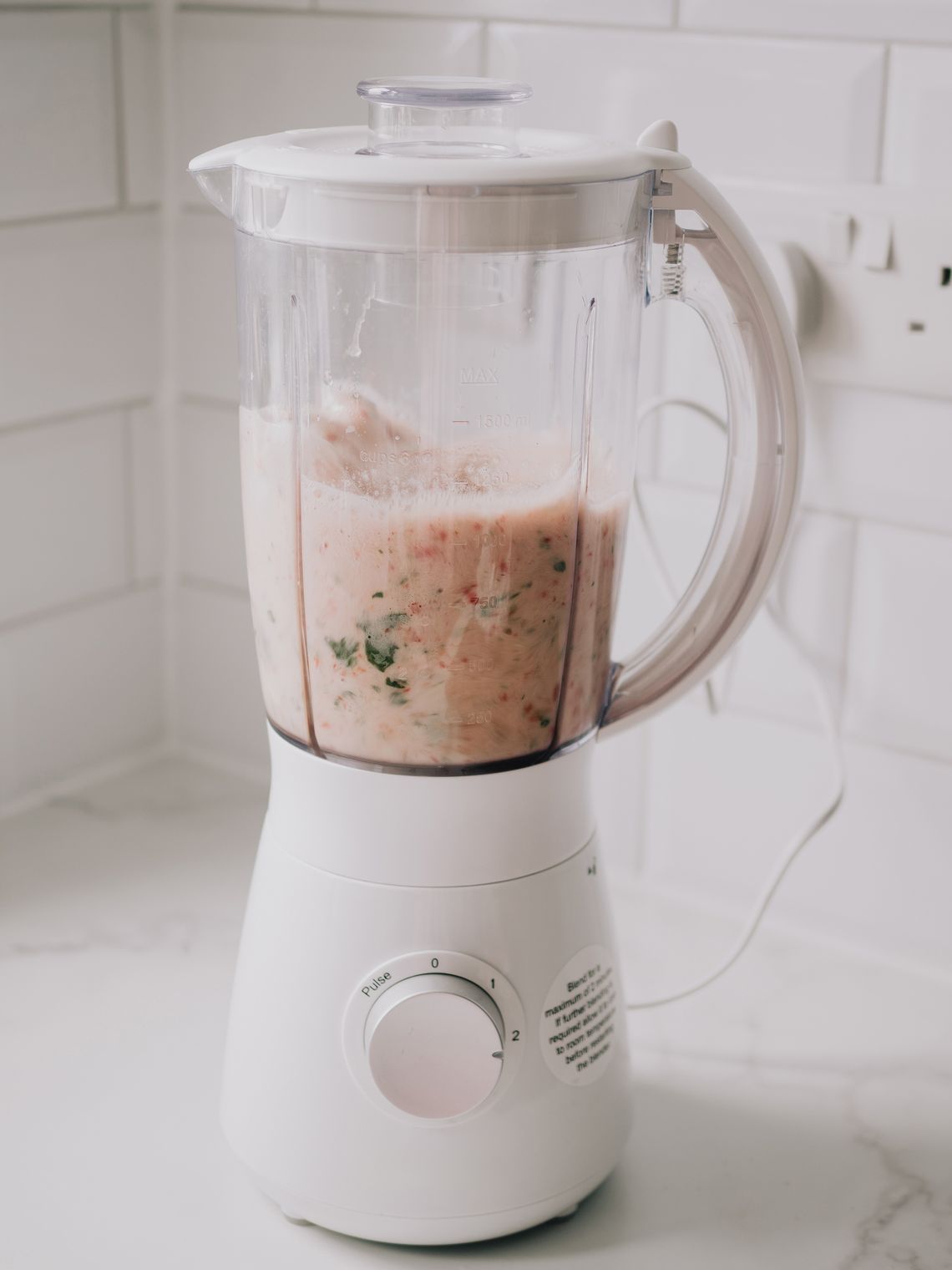

Water, coffee oils, milk residue and fruit pulp each create different maintenance needs. Check the maker's recommended cleaning solutions and parts before you begin.
Fresh results begin with clean contact surfaces.
Clean reservoirs and food-contact components as specified; follow model-specific milk-system cleaning and descaling instructions.
Remove coffee residue with approved brushes or tools. Never wash an electrical grinder's interior unless permitted by its manual.
Descale only with manufacturer-approved products and methods; keep contacts and power bases dry.
Clean approved screens, pulp containers and removable food-contact components; take extra care near sharp strainers.
Cast iron, stainless steel, coated pans, glass and other bakeware materials do not all need the same cleaning methods. Their individual limits determine how to wash, dry and store them.
The right care depends on what the product is made from.
Let cookware cool safely; follow its material-specific instructions for detergents, seasoning, utensils and dishwashing.
Check oven-safe limits and care labels. Clean without abrasive tools that could damage the finish and protect fragile pieces in storage.


Smaller essentials deserve the same attention as appliances. Safe storage, clean food-contact surfaces and inspection of worn items help maintain a usable kitchen.
Organized tools are easier to inspect and care for.
Wash safely, protect cutting edges in storage, and keep separate boards for raw animal foods and ready-to-eat ingredients where appropriate.
Follow container material and food-contact directions, dry fully, and check lids, seals and measuring marks for wear.
General cleaning advice should never replace a product's safety manual. A damaged or malfunctioning electrical appliance calls for caution, while food-contact surfaces may require appropriate sanitizing after cleaning.
For food-contact cleaning and sanitizing guidance, see the USDA cutting board guidance and FoodSafety.gov.
If a cord is damaged, a unit sparks, overheats abnormally or behaves unpredictably, discontinue use and seek appropriate qualified or authorized assistance.
Remove visible food residue first. For food-contact surfaces, use only suitable sanitizers according to labeling and surface guidance.
Review worn cutting boards with deep grooves, damaged seals, compromised coatings, or components the maker identifies as needing replacement.
Do not open electrical housings, bypass safety interlocks or use unapproved chemicals or accessories to solve a maintenance issue.
Practical answers for common cleaning and maintenance questions. Check the exact product instructions when a method or schedule is model-specific.